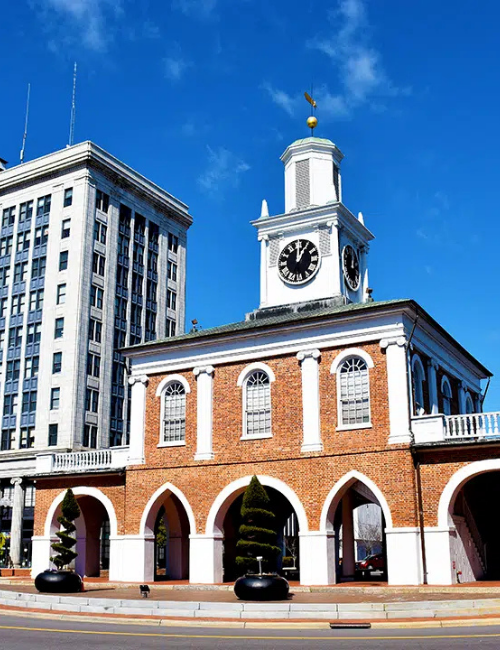

Fayetteville, NC, is a rapidly growing city rich in history and culture, offering a diverse range of modern amenities. It is known for its military culture, friendly communities, and thriving real estate market; this city attracts families, professionals, and retirees. However, as in every city, neighborhoods are not created equally. Some neighborhoods offer exceptional safety, excellent school systems, and vibrant communities. On the other hand, some neighborhoods are characterized by high crime rates or limited resources. Knowing which are the best for your lifestyle is important, as it can save you lots of time, resources, and stress when it comes to buying or renting a home.
Brief Overview
Fayetteville, NC, is an evolving city that is historically charming, strategically situated, and has residents who are an integral part of its community. Deciding on which part of town to live in is important to ensure a focus on safety, convenience, and future property value. Knowing the best neighborhoods from the worst neighborhoods in the city is important in making sure that you make an informed choice that matches your lifestyle and goals. This is the case whether you need to live in the area for work, are buying a home for the first time, or want to make an investment.
Key Highlights
• Fayetteville provides various neighborhoods for families, the military, retirees, and young professionals.
• Neighborhoods such as Haymount, Cliffdale, and Seventy-First are recognized for their safety, schools, and community participation.
• Eastover, Downtown, and Stoney Point may struggle with crime and other issues, like fewer services.
• Access to Fort Bragg, parks, schools, and shopping centers significantly influences neighborhood selection.
• Homebuyers and investors need to consider potential growth and property value history.
Why Neighborhoods Matter in Fayetteville, NC

The selection of one particular neighborhood over another in Fayetteville, NC, has implications for various aspects of life, including safety, school systems, available amenities, and the property’s value. Some areas have lower crime rates and thus become more desirable, and access to quality schools as well as recreational facilities improves one’s lifestyle. Neighborhood trends can also affect one’s home appreciation. This is why the home shopper should make the choice carefully.
Best Neighborhoods in Fayetteville, NC
Fayetteville, NC, offers a variety of neighborhoods that stand out for their safety, amenities, schools, and overall quality of life. These areas are ideal for families, professionals, retirees, and military personnel who want a balanced lifestyle, strong community engagement, and potential for property value growth. The neighborhoods listed below consistently rank among the best due to their combination of convenience, accessibility, and long-term investment potential.
Haymount
With its historic charm, tree-lined streets, and homes that have been carefully preserved, Haymount is one of the most requested neighborhoods. Combining vintage and modern architecture, Haymount is appropriate for families, professionals, and retirees. Residents have access to nearby schools, parks, shops, and restaurants. Haymount’s proximity to Downtown Fayetteville allows for a balance of quiet and busy with access to cultural attractions, entertainment, and employment.
Cliffdale
This is a growing neighborhood that is known for being family-friendly, affordable, and having a welcoming environment. This community features spacious homes and parks for the public and is close to shopping centers and grocery stores. Cliffdale is a neighborhood where families can easily settle in and become part of the community, making it easy for new buyers to find housing. With the schools, recreational zones, and easy-to-navigate roads, Cliffdale is perfect for people who want a peaceful suburban life but with convenience.
Cross Creek
Cross Creek has a strong community feel, complemented by its mix of modern and traditional homes. Residents have easy access to shopping, dining, and services for daily needs. The neighborhood is safe and well-maintained and has a quiet, peaceful ambiance, making it popular with retirees, families, and professionals seeking a low-stress lifestyle. Cross Creek also offers easy access to the primary road and local area infrastructure, providing residents with comfort and convenience.
Seventy-First
Due to its favorable placement next to Fort Bragg, Seventy-First is an excellent choice for military families. It has various well-known schools, parks, and civic centers, which promote positive community involvement. Professionals and families alike enjoy the convenience, safety, and events of the community. The closeness to shops, restaurants, and entertainment further improves the neighborhood, and the stability of the area’s property values makes Seventy-First an excellent choice for investors.
Wrightsville Heights
Wrightsville Heights offers an escape to the suburbs within Fayetteville because it has calm and peaceful residential areas with low crime and plenty of nature. The community’s families and couples appreciate the area for its community and family-friendly parks, as well as walking and biking trails. The residential areas are also very accessible to schools, shops, and services, which adds to the safety and suburban feel. It is perfect for residents who appreciate safety and the ability to engage in family outdoor activities, as well as the added benefit of being near the city.
Worst Neighborhoods in Fayetteville, NC
While Fayetteville has many attractive neighborhoods, some areas present challenges that buyers should carefully consider. These neighborhoods may have higher crime rates, limited amenities, older housing stock, or other factors that can affect quality of life and property value. Understanding these areas helps prospective homeowners make informed decisions and avoid potential issues.
Eastover (Certain Areas)
Eastover is a mixed residential community with some attractive streets, but certain areas experience higher crime rates and safety concerns. Homes in these sections can be older and may require more maintenance, while amenities such as shopping centers, parks, and recreational options are limited in some parts. Families and first-time homebuyers should research specific blocks carefully and consider the neighborhood’s long-term development potential before making a purchase.
Downtown (Specific Zones)
Downtown Fayetteville offers convenience and access to restaurants, entertainment, and cultural events, but certain zones face challenges that may make them less desirable for residents. Noise, traffic congestion, limited parking, and occasional safety issues can affect daily life. While urban living can appeal to young professionals or those who enjoy city life, families or buyers seeking quiet streets, green spaces, and community-oriented environments might find better options elsewhere.
Stoney Point
Stoney Point provides a short commute to significant parts of Fayetteville, but it has limited amenities and fewer community resources compared to other neighborhoods. Occasional safety concerns have been reported, which may be a concern for families or those prioritizing security. While it may appeal to buyers seeking affordable housing and convenience, families and long-term homeowners often prefer neighborhoods that offer a wider range of facilities, strong community involvement, and a more secure environment.
Best vs Worst Neighborhoods Comparison Table

Ultimately, looking at the key differences at a glance will serve best when comparing the neighborhoods in Fayetteville. The feature comparison table distinguishes the best neighborhoods from the bottom-tier neighborhoods. While assessing safety, amenities, schools, investment outlook, and community vibe, you can identify the neighborhoods that best align with your lifestyle and homeownership objectives.
| Feature / Neighborhood | Best Neighborhoods | Worst Neighborhoods |
|---|---|---|
| Safety | High and low crime rates | Moderate to high crime in certain areas |
| Amenities | Parks, shops, restaurants | Limited amenities in some areas |
| Schools | Top-rated, family-friendly | Mixed ratings, some lower-performing schools |
| Investment Potential | Stable or appreciating property values | Less consistent property value trends |
| Community Feel | Strong neighborhood involvement | Some areas lack community engagement |
This analysis demonstrates why specific neighborhoods in Fayetteville are in higher demand than others. Opting for a neighborhood that offers a high level of safety, good amenities, quality schools, strong appreciation potential, and a responsive community will enhance your quality of life and add value to your home. This table should help you make an informed choice when purchasing or relocating to a neighborhood in Fayetteville.
Factors to Consider When Choosing a Neighborhood

Choosing a home location is one of a parent’s most important—and most challenging—decisions. Your neighborhood influences your safety, lifestyle, habits, commute, property value, and overall satisfaction. With Fayetteville offering many distinct neighborhoods, each with its own pros and cons, it’s helpful to use a neighborhood map to compare areas and understand what fits your needs. The considerations below should guide you toward communities that support your goals and align with your lifestyle.
Safety
Safety is one of the most critical factors when deciding on which neighborhood to stay in. Choosing to stay in areas that have lower crime rates, in addition to neighborhood watch programs, can give residents a better quality of life and peace of mind. To make sure a community is one where you and your family will be able to feel safe, you can look up crime stats for the area and speak to the people who live there. Really safe neighborhoods tend to have property values that are in much better shape and are therefore an excellent long-term investment.
School Ratings
The proximity and quality of education offered in schools are crucial for families. Schools in the area and their development are important for children’s education and social skills. For families, schools with high ratings in education provide sociable and well-maintained areas, which are desirable for home locations and increase home values in the community. Schools that are well-established in education are desirable and provide community appreciation.
Commute
Your daily commute convenience can drastically change your quality of life. Being close to work, major interstates, Fort Bragg, or downtown Fayetteville can shorten your daily travel and improve your daily schedule. Look at other neighborhoods and consider public transport, traffic congestion, and access to important places. Improved quality of life can also increase the demand for your property.
Amenities
Healthcare, parks, restaurants, grocery stores, and recreation facilities serve neighborhoods and contribute to overall satisfaction and convenience. Houses from communities with ample amenities disperse daily needs and recreation and serve to appeal to the neighborhood. Homes in the well-equipped neighborhoods also lose value at a slower pace and have more demand from buyers when reselling.
Future Development
Recently developing neighborhoods continue to show consistent positive long-term investment indicators. Developing areas with new homes, growing businesses, and infrastructure additions attract additional population and commerce, thereby enhancing property values over time. Choosing to invest in a developing neighborhood means one positive will be home appreciation while also gaining access to new amenities, schools, and services for the community. With further development in mind, home buyers are also able to make a positive lifestyle and financially beneficial decision.
Community and Lifestyle
The overall community vibe and lifestyle of the area can significantly impact the level of satisfaction of residents within a neighborhood. Different regions of the city can develop close community relations with neighborhood parties, social associations, and a friendly atmosphere, or can be more transient and detached as a community. You can observe local events and take a stroll through the neighborhood to gauge the community’s interaction levels. Choosing a neighborhood that aligns with your lifestyle and habits can make your living experience more enjoyable, as well as your future home.
Affordability and Cost of Living
When selecting a neighborhood, you want to think about the overall pricing and cost of living. This includes not only the purchase costs of the home but also the property taxes, utility costs, insurance costs, and local government fees. Some neighborhoods have great home pricing and then have exorbitantly high property taxes or HOA dues. This may cause you to go over budget on a monthly basis. Considering the overall cost of living in an area will create a better neighborhood fit and also keep you from unforeseen costs in the future.
In Fayetteville, NC, one can experience a blend of history along with suburban and military charm. Neighborhoods such as Haymount, Cliffdale, and Seventy-First offer safety, accessibility, and economic investment, with some other areas needing thorough investigation to match your lifestyle. Selecting a neighborhood involves more than logistics; it requires a way of living and even some longevity. This guide enables easy investment and family decisions by assessing multiple neighborhoods.
Do you need to sell your home in Fayetteville, NC? Whether you want to sell quickly, avoid costly repairs, or prefer a hassle-free sale, our Fair Cash Offers For Homes is here to help. As trusted cash home buyers in Fayetteville, NC, and a reliable company that buys homes in North Carolina, we offer fair cash offers, handle all the details, and make the process seamless. Ready to sell or have questions? Contact us at (919) 551-8506 for a no-obligation offer. Get started today!
FAQs
What neighborhoods in Fayetteville, NC, are the best ones for families?
Due to the good schools, parks, and family-friendly nature of the community, Haymount, Cliffdale, and Seventy-First are perfect.
What neighborhoods are safe and near Fort Bragg?
For safety and proximity to the base, Seventy-First and Cross Creek are the most popular choices among military families.
What about downtown Fayetteville? Is it a good place to live?
It depends. While downtown is more vibrant and convenient, it also has higher noise levels and a potential for increased crime in certain areas.
Where can I find current crime statistics for neighborhoods in Fayetteville?
You can view online crime mapping tools, such as NeighborhoodScout or SpotCrime, or visit the Fayetteville Police Department’s website.
Helpful Fayetteville Blog Articles
● Strategies For Selling A Hoarder’s House In Fayetteville, NC
● Selling A Foreclosure Home In Fayetteville, NC
● Selling Your Fayetteville, NC, Home By Owner
● Seller Responsibilities For Closing Costs In Fayetteville, NC
● Inheriting A House With Siblings In Fayetteville, NC
● How Long To Live in a House Before Selling In Fayetteville, NC
● Cost Of Asbestos Removal In Fayetteville, NC
● Best and Worst Neighborhoods in Fayetteville, NC
● Top Fayetteville, NC, Property Managers by Leading Experts
● Is Fayetteville, NC, a Good Place to Live?
● Fayetteville, NC Neighborhood Map
● Fun Free Things to Do in Fayetteville, NC