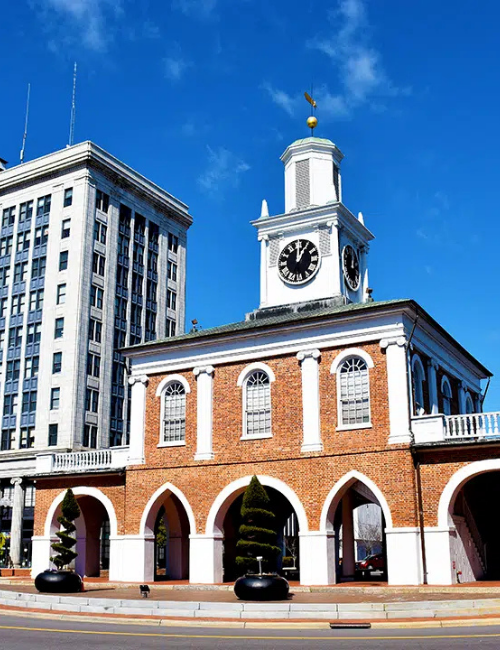
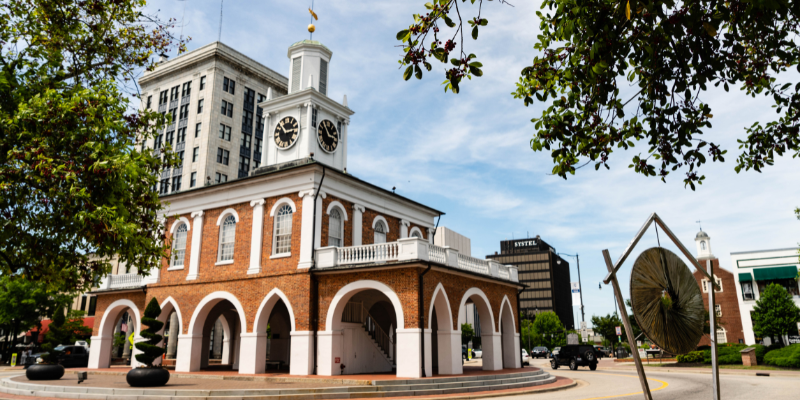
History, charm, and Fayetteville, North Carolina, go hand in hand. In the center of the state, sitting at the crossroads of many of the state’s highways and interstates, Fayetteville is rich in culture, very vibrant, and has many hidden gems just waiting to be discovered. Not just an intersection, Fayetteville is an intersection of history and is an expanding center for the performing and visual arts. Whether you just want to explore somewhere new or you’re looking for history or the arts, Fayetteville will not disappoint. The following will explore some of the gems that make Fayetteville a unique destination.
Key Highlights
- The Fayetteville Observer has chronicled the city’s rich history since 1816, making significant contributions to its civic identity.
- Fayetteville is the birthplace of baseball legend Babe Ruth’s first professional home run in 1914.
- Fayetteville hosts a thriving hub for black-owned businesses, enriching its economy and cultural landscape.
- Golden Corral and Putt-Putt Miniature Golf both originated in Fayetteville, showcasing the city’s innovative spirit.
- Fort Bragg has a significant influence on Fayetteville’s economy and culture, establishing a strong military presence in the city.
The Rich History of Fayetteville
Fayetteville, North Carolina, has a fascinating history that encompasses a diverse range of details and events that have shaped the city’s identity. One of the most essential establishments is the Fayetteville Observer, which was first started in 1816. The Observer has been covering the events of the people in the city and the town’s daily difficulties and successes. The newspaper has been covering various events in the people’s lives throughout the town’s growth. The newspaper offers a social, civic, and cultural perspective on the city of Fayetteville.
Fayetteville also holds a special place in history for sporting and cultural achievements, such as Babe Ruth’s first professional home run in 1914. Babe Ruth’s home run contributed to the culture and sporting history of the United States of America. Therefore, Fayetteville is recognized for its cultural and sporting significance in the country’s history. The city’s history is rich, and its residents take great pride in their heritage.
Contact us today to explore real estate opportunities or connect with investor home buyers in Fayetteville. Discover the rich history of Fayetteville, North Carolina, from the legacy of The Fayetteville Observer, founded in 1816, to iconic moments like Babe Ruth’s first professional home run in 1914. These stories showcase a city deeply rooted in culture, community, and national significance.
The Fayetteville Observer: A Storied Past
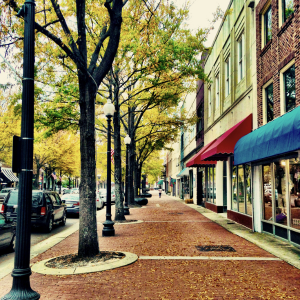
The Fayetteville Observer, one of the oldest newspapers in North Carolina, has provided residents of Fayetteville with a historical marker of the city’s transformation. The Fayetteville Observer has documented the town’s progressive movement, dating back to 1816, and has been a part of the town’s media light as the city has shifted and grown from the colonial days. The Observer provided the residents of Fayetteville with economic and political news as the town developed and grew along the Cape Fear River.
The observer has consistently provided coverage of the nation and the city, keeping the people of Fayetteville informed about global events and their local community. During the Civil War, it served as a source of information on troop movements and war policies, which were particularly pertinent to North Carolina. The archives of the Civil War today serve as a valuable source of daily history, shedding light on the lives of people in Fayetteville during a pivotal and challenging period in the city’s history.
The newspaper depiction print extends beyond advocacy for Fayetteville civic plural reporting. Asserting its support for city promotion and cultural advocacy, the newspaper endorsed initiatives that have achieved historical recognition and are listed in several National Registers of Historic Places. The newspaper advocates for the paper’s commitment to establishing recognition in the community through the Observer newspaper and historical print advocacy, as well as preserving the history of the Fayetteville community.
Named After the Marquis de Lafayette
The community name of Fayetteville comes from the Marquis de Lafayette. Lafayette was a French military officer who helped the American colonies gain their freedom from England. As a result, Americans were extremely appreciative, and some towns even named themselves after Fayetteville in admiration. Fayetteville was and still is a representation of the American and French alliance.
This alliance and admiration were further solidified after Lafayette toured the country in 1825, receiving a positive reception from the public and officials, who expressed widespread gratitude for the support and sacrifices made during the Revolutionary War. Most towns were public Leah tribute to this historical connection, giving Fayetteville a unique international relationship, highlighting the country’s willingness to build relationships and cooperate with global partners.
Recognized as an “All-America City”
Fayetteville, NC, is a recipient of the prestigious All-America City Award, presented for outstanding civic engagement and modern-day problem-solving, multiple times. For this reason, it will be invited to be presented among a group of All-America City Award winners, alongside a small number of other cities nationwide. The All-America City Award recognizes successful collaborative community problem-solving that leads to lasting change. Fayetteville is one of the few cities that can rally all community stakeholders to work together to achieve a common purpose, thereby offering the community a more advanced level of civic engagement and collaboration.
Fayetteville is widely recognized for its accomplishments in the areas of neighborhood revitalization, youth development, economic opportunity, and inclusivity. With community leadership at the center of all grassroots programs, flexible and prompt work was done to resolve several challenges and achieve public scrutiny and collaboration, reflecting the modern circumstances of the community. This level of achievement clearly demonstrates the enhanced level of conscientious innovation, collaboration, and relational coordination of the City of Fayetteville.
Babe Ruth’s First Home Run in Fayetteville
In 1914, the legendary Babe Ruth hit his first professional home run while playing for the Baltimore Orioles in a spring training game in Fayetteville, North Carolina. Ruth made history, fortifying the city of Fayetteville’s connection to one of the most famous athletes in American history. This home run made Ruth’s name in the history books. As a point of pride, Fayetteville High still possesses this unique fort linkage. The home run site was Skibo Gym, one of the old baseball facilities run by the Fayetteville Highlanders, symbolizing the community’s deep connection to the sport during that era.
Given its supportive ethos, Ruth’s legendary swing will always be indebted to the quiet history of baseball in the city of Fayetteville. Ruth’s home run continues to bring relics of history to the sleepy town. Football fans bring monuments and remember the swinging relic of the city, along with the home run. This historical footnote will always be a matchless and indelible chapter in the history of the town of Fayetteville.
Cultural Highlights in Fayetteville

With North Carolina having one of the most diversified economies and fastest growth rates in the country, Fayetteville is also emblematic of these growth trends. Fayetteville’s cultural highlights offer a diverse range of artistic and entrepreneurial trends in the local economy. The Fayetteville Symphony Orchestra is a vital and integral component of the city’s development and musical identity. The Orchestra maintains an ever-expanding treasury and provides strong community involvement. As they work to instill a love of the arts in the community, they stand to provide additional and valuable arts with high-level offerings to a multitude of local patrons and participate in the democratization of the arts to the community.
Concurrently, Fayetteville continues to enrich and diversify the city’s economic landscape and the Black community. It is also rapidly emerging as a focal point for the growing number of Black entrepreneurs. Black business owners enrich the community and contribute to the cultural and commercial diversity of the neighborhoods they serve. Together, vendors and patrons provide a space for artistic trends to emerge, allowing citizens and visitors in Fayetteville to discover and appreciate them. These trends also showcase the town’s identity and provide increased opportunities for citizens in Fayetteville.
The Role of the Fayetteville Symphony Orchestra
Over the years, the Fayetteville Symphony Orchestra has established itself as a cultural hallmark in the city. 1956 saw the launch of the Symphony Orchestra, which has since performed at various venues in Fayetteville and the wider North Carolina. Its engaged and diverse audience has come to appreciate and enjoy its performances that range from classical and contemporary to diverse fusion pieces. The Fayetteville Symphony Orchestra has had the opportunity to play as cultural lights of North Carolina all over the United States.
One of the Symphony’s most outstanding traits is its passion and dedication to higher education in the community. The Symphony Orchestra has formed a winning educational partnership with Fort Fayetteville State University and Methodist University, which has enhanced its offering of educational concerts and artist development to the community. The Symphony Orchestra also boosts the social and economic profile of the city of Fayetteville by attracting many visitors to the town through its concerts and providing services to the community.
Fayetteville as a Hub for Black-Owned Businesses
The Black-owned companies in Fayetteville have a significant impact on the community. These companies have expanded to include service companies and small technology companies. This has brought a positive effect to downtown Fayetteville and the surrounding rural areas. People in the region have an entrepreneurial spirit, and the state has initiated a supportive agenda for African American companies. Community support, including partnerships with institutions such as Fayetteville State University, has been crucial for the success and prosperity of these companies. Community support, including partnerships with institutions such as Fayetteville State University, has been critical to the success and prosperity of these companies. Events such as the annual Black Business Owners’ Executive Conference show the impact and promote such businesses.
These Black-owned businesses have a positive impact on the communities. These companies create jobs, support cultural exchange, community hubs, and local economic structures. These companies positively impact the cultural identity of the region with products and services rooted in African American culture. The diversity and entrepreneurial spirit evident in these businesses are a testament to the city of Fayetteville. Fayetteville is a model of entrepreneurial diversity in North Carolina. These companies have a positive impact economically.
Airborne & Special Operations Museum
The United States Army Airborne and Special Operations Museum is one of the many cultural and educational sites that the City of Fayetteville has to offer. An educational attraction with a multifaceted nature, the museum, located in downtown Fayetteville, is dedicated to teaching the history and legacy of the United States’ airborne and special operations forces. Guests of the museum receive an interactive educational experience, gaining an understanding of the skill, sacrifice, and bravery of soldiers through exhibits featuring artifacts used in actual missions, such as uniforms, weapons, and other personal effects. Exhibits also contain a range of modern-day and historical operational military artifacts, uniforms, and equipment.
The museum’s historical focus is also centered on military dedication and devotion to service, as well as to those who have served in past and present-day conflicts. All visitors to the museum can read and view a range of materials that capture the essence of major conflicts and training in Airborne and Special Operations warfare, as well as the military tactics that have evolved. Families, history buffs, students, and military personnel who have been engaged in past conflicts can all benefit from the museum, gaining education in a fun and exciting manner. Probably the most significant aspect of the museum is that the experience is educational and free, allowing all people, including residents of Fayetteville and its guests, to gain access to the museum and learn at no cost.
Notable Origins in Fayetteville
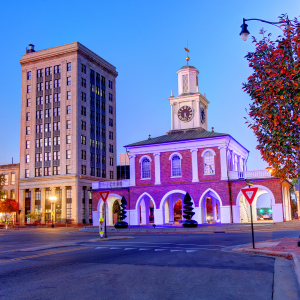
Fayetteville, North Carolina, is rich not only in history but also in popular American culture. This city is home to the first Golden Corral, which began as a family-style steakhouse and has since evolved into a nationwide dining franchise. Golden Corral is not the only popular franchise to start in Fayetteville. Fayetteville is also home to the first Putt-Putt, which helped establish the trend of family-friendly miniature golf and entertainment complexes. These franchises have also made Fayetteville an entrepreneurial trendsetter in the food and entertainment industry.
Fayetteville is also a city of creators and innovators. While the city is full of historic sites and military troops, most of the American culture introduced to the country through food and entertainment is a direct influence of Fayetteville, NC. The city is home to Putt-Putt and Golden Corral, which continue to have a lasting impact on American culture and entertainment. This makes Fayetteville, NC, an untraditional but important city in American history.
The Birthplace of Golden Corral
In 1973, Golden Corral opened its first location in Fayetteville, North Carolina. What used to be a lone steakhouse is now a national dining brand that is a staple in the cultural landscape of Fayetteville. Golden Corral is a product of the entrepreneurial zeal of the city and the commitment of its founders to serve American families with a copious yet affordable meal. Serving home-style meals with a variety of tastes and textures was the game-changer. The buffet-style approach matched the size and the diversifying makeup of the population. The model quickly gained popularity, enabling the founders to refine their strategy for their first market expansion beyond North Carolina.
Closely aligned with the expansion and diversification of the menu is the brand’s first inclination towards a steakhouse. The diversification preserved the ‘hometown favorite’ ambiance as the business continued to grow and flourish in the American dining landscape. The Fayetteville spirit and attention to hospitality that Golden Corral first introduced are what have kept their dining experience a staple in American dining, making them one of Fayetteville’s enduring legacies.
| Business | Year Founded | Founders/Inventors | Notable Impact |
|---|---|---|---|
| Golden Corral | 1973 | James Maynard & William F. Carl | Revolutionized the buffet dining industry, becoming a widespread national chain. |
| Putt-Putt Miniature Golf | 1954 | Don Clayton | Pioneered standardized miniature golf, leading to a franchise model with international presence. |
This table underscores Fayetteville’s significant role as the birthplace of iconic American enterprises.
The Origins of Putt-Putt Miniature Golf
Many leisure pastimes enjoyed in America originally began in North Carolina, but few have a written history as rich as Fayetteville’s with Putt-Putt miniature golf. Invented by Don Clayton in 1954, Putt-Putt was the first miniature golf course, ushering in a new era of golfing focus. Clayton emphasized the aspects of skill and precision over luck. Fayetteville’s Putt-Putt golf course, which was flourishing, became an ideal entertainment center for Clayton’s innovative idea. Putt-Putt became a wholesome and accessible form of entertainment, although the competition of playing Putt-Putt golf was maintained. American families reminiscing and engaging in wholesome entertainment became an artistic focus, reflecting the post-World War II era. During this period, families sought entertainment for leisure and enjoyment.
Putt-Putt became a popular golfing course across the nation, and Fayetteville’s Putt-Putt miniature golf course continues to entertain to this day. Putt-Putt became a staple of park and recreation facility entertainment. Fayetteville today stands proud, boasting generations of cheaper and simplified entertainment atmospheres created by Clayton, which reflects on its past and offers Putt-Putt golfing.
Fayetteville’s Modern Ties
Modern connections have grown stronger and continue to shape the identity of Fayetteville, North Carolina. This influence primarily stems from one of the largest military installations in the country, Fort Bragg. The installation has a significant impact on the city’s economy and culture. The military and military families bring a rich cultural diversity, a constant economic presence, and a sense of resilience that is part of the everyday life of the community.
Culturally, the city has also recently gained attraction. The city is the home of the famous rapper J. Cole, who helped put the town on the map. The military history of the city and its modern cultural life intersect, giving Fayetteville a unique position within the rest of Cumberland County. These make the city a nice place to spend one’s free time and also a place that is home to many recently developed modern aspects.
The Influence of Fort Bragg on the City
Fort Bragg is essential to the economy and culture of Fayetteville. It is one of the largest military bases in the world and is an integral part of the city’s everyday life. It brings in thousands of service members and their families into the county. The continuous influx and outflow of people from the county is the reason for the diversity and ever-changing community, which affects the social aspect of the city. Fort Bragg is a huge economic contributor to the area. The housing, retail, and service needs of the base, as well as those of the families and service members, attract military contractors and local businesses. Due to its location and the opportunities it offers various companies, Fayetteville is a stable and thriving commercial hub.
Culturally, the base makes a significant contribution to the city of Fayetteville. It encompasses military events and public happenings that shape a community. They bring about foundational events and collaborations between schools and veterans that foster a sense of patriotic civic pride. This military presence alongside civilians provides a unique assurance that Fort Bragg is a significant part of the community and a vital contributor to the city’s growth and unity.
Rapper J. Cole’s Connection to Fayetteville
Rapper J. Cole’s connection to Fayetteville stands as a testament to the city’s influence beyond its geographical bounds. Born in a military hospital on Fort Bragg, he grew up in Fayetteville, a place that profoundly shaped his identity and musical journey. His rise to global fame has elevated Fayetteville’s profile while instilling a strong sense of pride among residents who view him as a powerful example of success rooted in their community. J. Cole’s music frequently reflects his Fayetteville upbringing, exploring the challenges, realities, and lessons he experienced during his time there. Songs such as “4 Your Eyez Only” and “Fayetteville” weave personal and social narratives that resonate with listeners worldwide, presenting an authentic portrayal of the city’s socio-economic struggles and triumphs.
Beyond his artistry, J. Cole remains committed to giving back to his hometown. Through the Dreamville Foundation, he supports education and youth-focused community initiatives, aiming to create opportunities for the next generation. His advocacy, philanthropy, and continued loyalty to Fayetteville have positioned him as an unofficial ambassador for the city, reshaping its image as a place of resilience, talent, and cultural significance.
Fayetteville, North Carolina, brims with hidden gems that delight residents and visitors alike. Whether exploring its rich history, engaging with its vibrant cultural offerings, or enjoying the natural beauty that surrounds the city, Fayetteville offers more than meets the eye. After diving into these fun facts, you may find yourself planning a visit to experience the city’s unique charm firsthand. So discover Fayetteville’s surprises, and see why this Southern treasure continues to captivate all who wander its streets. With so much to offer, Fayetteville is a destination worth exploring and celebrating.
FAQs:
What is the historical significance of the Fayetteville Observer?
The Fayetteville Observer, founded in 1816, is one of North Carolina’s oldest newspapers. It has documented the city’s transformation and key historical events, contributing to Fayetteville’s civic identity and offering a valuable resource for understanding the city’s history.
Why is Fayetteville known in the baseball world?
Fayetteville is famous in baseball history as the site of Babe Ruth’s first professional home run in 1914, solidifying its place in sporting history and attracting baseball enthusiasts to the city.
How do black-owned businesses influence Fayetteville?
Black-owned businesses are a dynamic element of Fayetteville’s economy, enriching its cultural landscape and fostering an entrepreneurial spirit. They provide jobs, encourage community development, and offer unique products and services that enhance the city’s identity.
What are some notable enterprises that originated in Fayetteville?
Fayetteville is the birthplace of the Golden Corral restaurant chain and Putt-Putt miniature golf. These enterprises showcase the city’s innovative spirit and contribute to its cultural and economic narrative.
What impact does Fort Bragg have on Fayetteville?
Fort Bragg has a significant impact on Fayetteville, contributing substantially to its economy and cultural vibrancy. It provides jobs, creates a diverse community, and supports local businesses, reinforcing Fayetteville’s role as a regional hub.
Do you need to sell your house in Fayetteville, North Carolina? Whether you want to sell quickly, avoid costly repairs, or prefer a hassle-free process, Fair Cash Offers For Homes is here to help. Fayetteville’s strong military presence, steady job market, and growing housing demand make it an active real estate market—timing matters. We provide fair cash offers, purchase homes as-is, and handle all the details so you don’t have to worry about inspections, repairs, or delays. Our local expertise helps homeowners move forward confidently, even in challenging situations. Ready to sell or have questions? Call us at (919) 551-8506 for a no-obligation cash offer and discover how easy it is to sell your home in Durham, Fayetteville, and other cities in North Carolina. Get started today!
Helpful Fayetteville Blog Articles
● Is Fayetteville, NC, a Good Place to Live?
● Fayetteville, NC Neighborhood Map
● Free Things to Do in Fayetteville, NC
● Capital Gains Tax After Selling a House in Fayetteville, NC
● Can You Sell a House with Tenants in Fayetteville, NC
● Fayetteville, NC, Cost of Living
● Fun Facts About Fayetteville, NC
● Should I Replace My Roof Before I Sell My House in Fayetteville, NC?
● Should I Sell or Refinance My Home in Fayetteville, NC
● Can I Sell My House in Fayetteville, NC, Below Market Value
● How to Sell an Investment Property in Fayetteville, NC
● Is Fayetteville, NC Safe
● Fayetteville, NC Property Tax Rate
● Best Things to Do in Fayetteville, NC With Kids