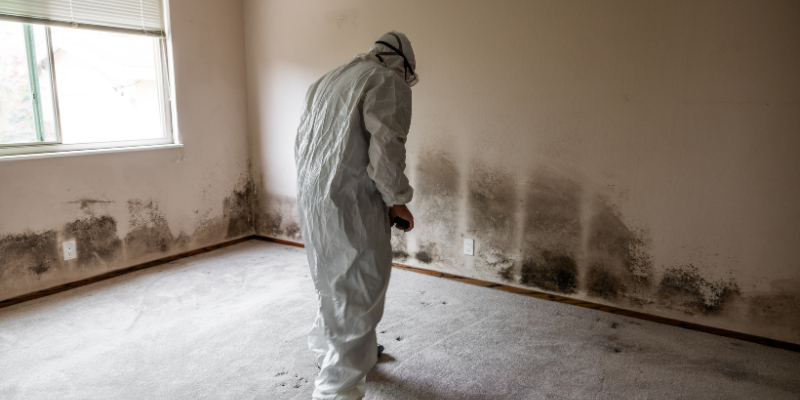
Selling a house in North Carolina that has mold issues can feel overwhelming. However, even in the state’s humid climate, a moldy house can still sell if the right steps are taken. Are there specific obligations sellers must follow? This article from Fair Cash Offers For Homes answers that question and outlines effective strategies for handling mold concerns. You’ll learn how to simplify mold issues, understand local disclosure requirements, address compliance concerns, and streamline the selling process in North Carolina. With the right approach, you can turn a challenging situation into a successful sale.
Understanding Mold Issues and Their Impact on Home Sales
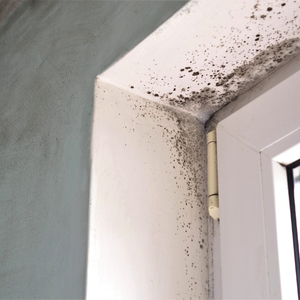
Due to North Carolina’s humid climate, mold issues are a serious problem for homeowners trying to sell their properties. They can affect buyers’ health and reduce the price the property can sell for. Selling mold-affected homes also presents issues to homeowners because mold problems are typically from excess and unmonitored moisture issues within the home. Taking care of mold problems can eliminate some issues associated with selling the home. The legal problems and buyer avoidance problems associated with mold issues can be severe. This paper will address the problems associated with mold in North Carolina, including the reasons for its prevalence and the challenges of selling homes with mold.
Why Mold Problems Are Common in North Carolina
Because of its climate, North Carolina residents often experience extensive mold problems. Their summer heat and humidity create prime conditions for mold to thrive, and combined with the region’s high frequency of rain, the repeated exposure to high moisture levels fosters mold growth in homes. While mold spores are always present in the air, the moisture of North Carolina’s unconditioned basements, attics, and even insulated spaces makes them thrive. When leaks, moisture, and ventilation problems go unaddressed, mold spores colonize unoccupied spaces in the home. The result of mold growth can be increasing damage to the home, along with respiratory and other allergic problems for the occupants. Home sellers often have to deal with mold problems because prospective buyers are discouraged by its presence and even downplay their homes because of mold issues listed in home-for-sale ads.
| Causes of Mold in North Carolina | Health Implications | Legal Implications | Strategies for Mold Remediation |
|---|---|---|---|
| High humidity levels | Respiratory problems | Disclosure requirements | Professional inspection |
| Poor ventilation | Allergic reactions | Potential lawsuits | Use of dehumidifiers |
| Water damage | Asthma triggers | Reduced property value | Proper sealing and waterproofing |
| Insufficient insulation | Skin irritation | Violation of housing codes | Regular maintenance |
This table provides a clear overview of how mold issues can affect home sales, emphasizing the importance of proactive remediation strategies.
Potential Consequences of Ignoring Mold
Ignoring the mold problem in your North Carolina home can lead to several negative consequences. Your property is likely to lose value because buyers could see mold as a significant deal breaker. Mold is also dangerous to people’s health, as it can trigger allergic reactions and cause other respiratory issues. The health risks of mold could make it unwise to sell a home if the home has a mold problem. Additionally, if you have mold issues in your home and you try to sell it without disclosing that information to potential buyers, you could face legal issues.
Heavy mold infestations can make costly remediation necessary, which could delay the sale of the home. What could have been a quick sale could end up being very complicated because of the remediation. Mold is becoming a growing concern for home buyers, so to avoid issues, you should address mold concerns. To avoid the negative ramifications and sell the house, you have to spend money on the necessary inspections and remediation. Resolving the mold issues and concerns will also ensure that the home is healthy for any future occupants and will maintain the property value.
Legal Requirements for Selling a House with Mold in North Carolina
Legal issues that affect the sale of houses in North Carolina with issues with mold are complex. A seller’s biggest concern is mold disclosure. North Carolina mold laws state that a seller must disclose mold issues to prospective buyers. This is done to attempt to protect a buyer or a seller from a disclosure lawsuit. North Carolina also has mold laws that help to ensure properties have had mold remediations completed prior to listing a home in the MLS. These laws are very important for North Carolina real estate mold issues.
Disclosure Obligations When Mold Is Present
Selling a house in North Carolina that has a mold issue poses many challenges. Per North Carolina laws, you must fill out a disclosure document and report any mold that is a problem. You must report any mold in North Carolina because, under the law, you must note each and every instance of mold. While complying with mold disclosure laws is legally required, it is also ethical, as it shows you are trustworthy. Buyers are legally required to consent, and a lack of disclosure complicates the sale legally. Not reporting mold problems can complicate the sale legally and erode trust ethically.
Selling a house with mold problems requires honesty. Disclosure statements should document whether mold is present, attempts at remediation, and the extent of mold in the house. Buyers are reassured, and litigation is avoided, the more honest you are. Lawsuits are avoided, and chances of selling the house are improved when mold issues and their remediation are documented. In North Carolina, you will find that being honest going forward will be appreciated by potential buyers, and legally, the house will be sold with the issues disclosed.
In continuation of the discussion on mold disclosure obligations, consider these key practices to enhance transparency and trust during the sale process:
• Note all mold-related issues on the disclosure statement.
• Submit receipts or other evidence of the professional remediation of mold.
• Make available any reports of mold inspections conducted on the property.
• Provide buyers with a list of possible mold hazards in the vicinity.
• Describe the measures taken to prevent mold from developing in the future.
• Comment on the existence of warranties related to mold treatment or remediation.
• Provide maintenance strategies to control mold-related issues as best as possible.
Adopting these practices can enhance buyer confidence and facilitate a successful transaction.
North Carolina Laws on Mold Remediation
Having knowledge of mold laws can help make the selling process easier when dealing with mold issues on North Carolina properties. Sellers are required to comply with North Carolina law. Sellers can face legal ramifications should they choose not to fully inform buyers of potential North Carolina mold issues. Failure to comply with legal mold issues can be problematic. There are laws protecting the health of the general population and the value of homes. Responding to such laws requires the seller to work with professionals. Documented mold removal tends to make it easier to sell to buyers.
Sellers with mold issues in North Carolina need to understand the region’s laws when preparing to sell their homes. The first step in this process is legal mold removal, which should always be handled by qualified professionals. Experts can not only eliminate mold and moisture but also identify and resolve the underlying causes to prevent future problems. North Carolina has strict guidelines around mold remediation, so careful attention to proper procedures is essential.
It’s also important to consider the average time to sell a house, as mold issues can significantly delay the process if not addressed properly. Homes with unresolved or undisclosed mold problems often stay on the market longer and may require price reductions to attract buyers. Providing a clear and honest property disclosure, including details about past mold issues and remediation, helps build buyer trust and can support a smoother, faster sale. Ignoring mold laws or failing to address the problem thoroughly can reduce property value and make buyers hesitant to move forward.
Steps for Effective Mold Remediation Before Selling
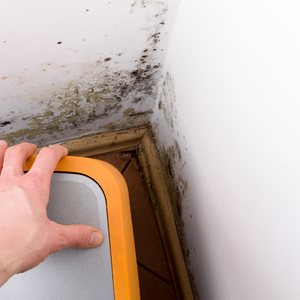
Before selling your house in North Carolina, it is important to address any mold issues to avoid any complications in the selling process. A thorough mold remediation strategy consists of an extensive mold inspection to determine the severity of the mold presence, followed by appropriate removal services, mold still remains, etc. This process protects the health of future occupants, the health of future occupants, and the health of future occupants, and the health of future occupants as well as the health of future occupants. Because of the numerous positive health impacts, mold remediation can be promoted as a major positive feature of the house, making it a more health-conscious option to buy.
Conducting a Thorough Mold Inspection
A thorough inspection for mold is a necessary part of dealing with mold problems when selling a home in North Carolina. Mold is a common problem due to the climate in North Carolina. Because a home inspection is much more general, a mold inspection will look at specific problem areas like the basement, attic, or crawl space. You need to get this inspection done by a certified mold inspector. This inspection’s primary focus is on identifying hidden mold and other areas of the house that could be a problem in the future. These inspections leave no areas uninspected and will look behind walls, under floors, and so on. Because mold may not be visible, part of the inspection process is assessing the air, which is also necessary. Because having a high concentration of mold in the air can cause health problems, it is part of the necessary inspections.
This is how buyers tackle the problem of mold head-on, which builds confidence and credibility with potential buyers. This is also how buyers get a better deal and possibly save money when it comes to mold remediation. This is the best way to soften the selling process for potential buyers. This is how buyers have problems closing the deal. This is also how buyers have problems closing the deal. This is also how buyers have problems closing the deal.
Choosing Professional Mold Remediation Services
Selecting professional remediation services is the best way to address mold problems for homes in North Carolina. They provide expert services and are able to discover other problems, such as leaking or not enough airflow, that may still create problems for the home in the future. They also create detailed plans to help homeowners become buyers because they address problems that could impact market prices and provide documentation to buyers who are concerned about their health. The detailed documentation also shows the extra steps the homeowner took to address health problems that the buyers may think are present in order to protect the value and market of the home. They also do remediation that goes beyond deep cleaning because of the regulations and compliance required for the state of North Carolina.
Health concerns are the biggest problems homes in the North Carolina market pose due to the health risks mold creates for residents. In homes that have mold problems, the health of the people living in the homes and the market value of the home are the biggest problems that the home presents. Also, at the end of the day, for homeowners, improved interactions with buyers due to an uptick in buyer confidence in the home and all the issues of mold being resolved, is the end goal.
Marketing a House with Previous Mold Issues
In North Carolina, marketing a house with former mold problems requires a thoughtful approach to attract serious buyers. Overcoming buyer hesitation starts with clear documentation, proof of remediation, and confident communication about the steps taken to resolve the issue. Some sellers also consider working with a company that buys homes in Greenville or in nearby cities, especially if they prefer a faster, more straightforward sale. Transparency, detailed information, and honest marketing help eliminate doubts and show that the property’s past issues have been properly addressed. When buyers see that concerns have been resolved responsibly, they are more likely to recognize the home’s true value and move forward with confidence in a competitive market.
Highlighting Successful Mold Remediation
Potential buyers thinking about purchasing a home with former mold issues may want evidence of successful mold remediation, as this process may potentially boost a home’s marketability. Documenting the remediation process is a good place to start. Certified mold inspectors provide documentation detailing the remediation process, including the installation of air quality systems, moisture barriers, etc. These reports help alleviate homebuyer concerns about mold by shifting them to more acceptable issues.
restoration efforts. Showcasing before and after photos will communicate the removal of the issues involved with mold. Mold cannot remain on the subject property, and will show the insurance efforts taken by the owner to remove any future issues. Adhering to the mold removal compliance laws in the state of North Carolina will show the purchasers the level of work the owner has invested in the subject property. Providing testimonials from home purchasers in North Carolina who have benefited from mold removal will be the most effective marketing strategy. New homeowners will be provided with reassurance and comfort regarding the health and safety of the home. When purchasing in the North Carolina property market, home buyers will be drawn towards the improved air quality, value of the property, and the elapsed time to remediate the mold.
Addressing Buyer Concerns with Real Information
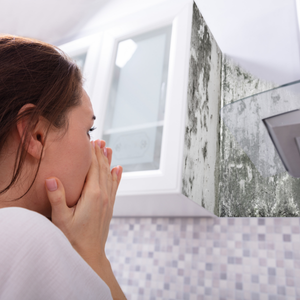
In North Carolina, selling homes with mold issues can be challenging, especially when buyers have concerns about health risks or recurring problems. If you’re also exploring options like Sell Your House with a Quitclaim Deed, it is important to understand how both legal transfer methods and property condition disclosures can affect buyer confidence. Mold-related worries can be managed by clearly explaining what has been done and what will be done to resolve the issue. Transparency and honesty about the home’s history, remediation steps, defined treatment areas, and access to post-remediation air quality reports can help ease concerns and demonstrate that the problem has been properly addressed. Providing clear explanations and, when available, remediation warranties can further reassure buyers and support a smoother sale.
Buyers who receive post-remediation air quality test results and open real efforts to solve the problems will be high. Usually, proactive buyers will appreciate the efforts and the air quality test. Sharing all this real, in-depth information is a compliment to the seller and will make a home more appealing, even with mold issues. This honest approach to selling homes in North Carolina drives results and will help your bottom line.
To sell your house with mold problems in North Carolina, you must be proactive and clear with buyers. Consider professional mold remediation when possible and always be honest about the property’s condition. Transparency builds trust and can increase a buyer’s willingness to move forward. Some homeowners also choose to work with cash home buyers in North Carolina or in surrounding cities, who may purchase properties as-is without requiring repairs. Adjusting the price strategically and addressing major concerns can further improve the home’s appeal and increase the chances of a successful sale, even if buyers are initially hesitant.
FAQs
What are the legal requirements for selling a house with mold in North Carolina?
Selling a house with mold problems, you must, by law, disclose any and all mold issues to buyers, and this includes, under North Carolina regulations, providing written documentation that adds to the disclosure statements mold issues and any mold remediation you have performed. To avoid legal claims, you must be transparent.
How does mold affect property value in North Carolina?
Mold can greatly diminish the value of a property. It usually sends buyers running in the other direction. Partnering with a professional mold removal company will remove the mold problem and safeguard the value of the property.
Why is mold a common issue for homes in North Carolina?
In North Carolina’s humid climate, characterized by high levels of rainfall and humidity, mold spores proliferate rapidly. Basements, attics, and places with less ventilation are more likely to experience mold issues.
What steps should be taken to address mold issues before selling a house?
Explain the steps you took to solve the problem: did a thorough mold inspection, hired certified professionals to do the mold remediation, and documented the process of remediation. Buyers will appreciate the work and trust you, which will make the sale easier.
How can effective marketing help sell a house with previous mold problems?
Marketing mold remediation services with strong examples is crucial. Clients are often skeptical about remediation services. Successful example-based marketing is often featured with before-and-after visuals. These photos can document the remediation and build customer confidence. Furthermore, photos can market the property as a safe investment.
Need help selling a house with mold problems? Don’t let repairs, inspections, or buyer concerns slow you down. Fair Cash Offers For Homes makes it easy to sell as-is, so you can avoid costly mold remediation and delays. We provide fair cash offers, handle the details, and keep the process simple and stress-free. Contact us at (919) 551-8506 today for a no-obligation offer and get started.
Helpful North Carolina Blog Articles
• Can You Sell a House With a Mortgage in North Carolina
• How to Sell a House While Relocating in North Carolina
• Selling a House In Probate In North Carolina
• For Sale by Owner: Paperwork for Selling a House in North Carolina
• Selling a House During Divorce in North Carolina
• Selling a House With Septic Tank Problems in North Carolina
• Selling My Parents’ Home to Pay for Elder Care in North Carolina
• Squatter’s Rights and Laws in North Carolina
• Who Pays HOA Fees at Closing in North Carolina
• How to Sell a Condemned House in NC
• Does a Seller Pay Closing Costs in North Carolina?
• Selling an Estate Home in North Carolina
• How to Sell a House with Title Issues in North Carolina
• Can You Sell Your House with a Quitclaim Deed in North Carolina?
• Selling a House with Mold Problems in North Carolina
• Average Time For House To Sell In North Carolina
• Selling A House with Delinquent Property Taxes in North Carolina